Starting a custom apparel business can feel daunting at first. There are dozens of printing methods, each with its own costs and learning curve. Two of the most popular techniques in 2026 are direct‑to‑film (DTF) and heat transfer vinyl (HTV). Both let you decorate shirts, hoodies, tote bags and more, but they differ in process, equipment and market fit. If you’re wondering which approach will serve your new print shop best, this guide breaks down the essential differences and profits, using the latest industry insights and research.
Understanding DTF and HTV Printing Processes
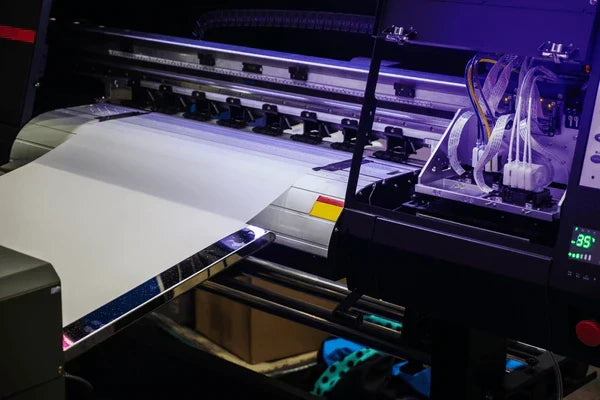
Direct‑to‑film printing is a relatively new process that combines digital printing with a powdered adhesive. A dedicated printer lays down CMYK inks and a white underbase onto a clear PET film. While the ink remains wet, an adhesive powder is sprinkled on top and the film is briefly heated so the powder melts into the ink. When you’re ready to decorate a garment, you simply position the film on the fabric, press it with heat for about fifteen seconds and peel away the film. The result is a vibrant, flexible print bonded to the fabric, suitable for cotton, blends, polyester, nylon or even leather. Because the design is printed digitally, photographs and full‑color gradients are no more difficult than simple text or logos. In other words, if you can design it on a computer, you can transfer it to a shirt.
Heat transfer vinyl uses a more hands‑on approach. You design your graphic in software, cut it from colored vinyl using a plotter (or hobby machine like a Cricut), and then weed away the excess material. Weeding simply means removing every piece that isn’t part of the design, a step that can be meditative for some but tedious for complex art. Once your design is prepared, you place it on the garment and apply heat and pressure. HTV works best for simple shapes, letters and numbers. Specialty vinyls offer glitter, puff and reflective effects, but reproducing photos or gradients requires layering multiple colors and dramatically increases labor.
The Versatility Factor

Where DTF really shines is versatility. The process is compatible with almost any fabric color and composition. Dark cotton tees, polyester sports jerseys and canvas totes all press beautifully. HTV, meanwhile, works well on cotton and polyester but becomes more limited when you need photo realism or tiny details. For beginners or hobbyists, HTV remains an accessible way to personalize uniforms or create craft projects without investing in specialized printers.
Key Differences: Cost, Complexity and Materials
The initial investment is one of the biggest differentiators between DTF and HTV. A basic HTV setup may cost only $200–$500 if you already own a computer. You need a cutter, weeding tools and a heat press. DTF setups, on the other hand, require a dedicated printer, software, a powder shaker or oven, and multiple consumables—often exceeding $10,000 for a complete production line. You can avoid this by outsourcing transfers from a supplier, but that limits how much control you have over turnaround and margins.
The following table summarizes how DTF and HTV compare on critical factors:
| Feature/Aspect | DTF Printing | HTV Printing |
|---|---|---|
| Startup cost | High (specialized printer & curing equipment) | Low (cutter, weeder & heat press) |
| Design complexity | Handles photos, gradients and tiny text with ease | Best for simple shapes and text; layering required for multi‑color designs |
| Fabric compatibility | Works on cotton, blends, polyester, nylon, leather and dark colors | Works on cotton and polyester; not ideal for complex prints on dark fabrics |
| Durability | Excellent – prints can survive 50+ washes without cracking or fading | Good but may crack or peel over time |
| Production speed | Fast; prints can be pre‑made and pressed quickly | Slower; weeding and layering add time |
| Feel on garment | Thin, soft and stretchable (barely noticeable) | Noticeable vinyl layer that can feel stiff |
Choosing Between DTF and HTV
Deciding between these methods comes down to your business goals, budget and style of work. DTF is ideal when you expect high volume orders, need to print intricate multicolor artwork or want to offer prints on a wide range of fabrics. The ability to stock transfers also allows you to print designs ahead of time and press them on demand. If your shop’s focus is on quality and scalability, investing in a DTF system—or working closely with a transfer supplier—can pay off in the long term. On the other hand, HTV shines for small‑batch customization, single‑color logos and projects that require special textures like glitter or puff vinyl. It’s an approachable technique for start‑ups, home crafters and event‑based personalization. Ultimately, many successful shops use both processes: DTF for complex jobs and HTV for quick, simple orders.

Is a DTF Printing Business Profitable?
Profitability in DTF printing depends on how you structure your business and manage overhead. The high startup cost means you need a steady volume of orders or a niche where clients pay premium prices for full‑color prints. Because DTF transfers work on nearly any substrate, you can sell a diverse product line—shirts, hoodies, tote bags, denim jackets, even hard‑to‑print nylon hats—which broadens your customer base. Another revenue source is selling transfers to smaller crafters who lack equipment. Keep in mind that DTF prints have excellent durability and feel, so customers often perceive them as higher quality, justifying higher prices. By combining efficient production with creative marketing, a DTF shop can achieve healthy margins, especially when paired with complementary services like screen printing for bulk orders.
Is DTF Better Than HTV?
Neither method is universally “better” because they serve different needs. DTF is better when your design complexity is high, when you want photographic detail or when you need to press onto dark or unusual fabrics. It also excels at scalability; once transfers are printed, pressing them onto garments is quick and requires little labor. HTV is better when you prioritize low investment, simple graphics and special effects like glitter or holographic finishes. You can start with a small budget and scale up gradually as orders grow. Many print shops find a balance: using HTV for personalized team jerseys or event merchandise and relying on DTF for fashion brands or corporate clients that demand photo‑quality prints. The key is to match the method to the project rather than forcing every design through the same workflow.
How Much Does It Cost to Start a DTF Printing Business?
Investing in a turnkey DTF setup can cost anywhere from $10,000 to $20,000 once you account for the printer, RIP software, curing oven or powder shaker, heat press and a stock of PET film and adhesive powder. The largest variable is the printer itself; high‑end models with automatic powder application can run into five figures. You’ll also need high‑quality Digital Printing Inks and DTF Printers that are designed specifically for this process. A more affordable approach is to order transfers from a professional DTF supplier and focus on pressing them onto garments. This reduces your investment to a good heat press and a stash of Digital Printing Supplies such as film and adhesive powder. As demand grows, you can then decide whether to bring printing in‑house or continue outsourcing.
Is T‑Shirt Printing a Profitable Business?
The custom apparel market continues to expand, driven by on‑demand e‑commerce, social media trends and businesses looking for branded merchandise. Profitability varies with scale, specialization and operational efficiency. A small HTV‑based shop may earn good margins by targeting niche markets, such as team uniforms or local events. A DTF‑enabled shop has the advantage of offering premium full‑color prints, which can command higher prices. However, success depends on more than equipment: marketing, design skills, customer service and production workflow all influence profits. Combining methods—screen printing for bulk orders, HTV for personalization and DTF for complex art—lets you serve a broad range of customers and makes your business more resilient.
Tips for Setting Up Your Print Shop
- Invest in quality supplies. Cheap materials can lead to inconsistent prints and unhappy customers. Work with reputable vendors for Digital Printing Supplies such as PET film, powders and inks.
- Choose the right printer. Entry‑level models may seem attractive, but reliability and maintenance support are crucial. When selecting DTF Printers, look for brands with good technical support and a track record of consistent output.
- Experiment with inks. There are many formulations of Digital Printing Inks. Water‑based pigment inks produce vibrant colors and soft hand feel; make sure they’re compatible with your printer and substrates.
- Test and profile. Every fabric and color can behave differently. Before taking orders, run test prints to calibrate temperature, pressure and curing time.
- Market your versatility. Use the flexibility of DTF to offer products that your competitors can’t. Promote your ability to print full‑color art on dark hoodies, nylon hats or leather patches.
- Stay informed. Printing technology evolves quickly. Resources like the DTF Database and articles such as What Is DTF Printing and Why Are So Many Print Shops Switching? provide up‑to‑date insights. Keep learning from industry blogs, forums and trade shows to maintain a competitive edge.
Balancing Creativity and Business
Running a print shop is as much about artistry as it is about entrepreneurship. DTF and HTV give you different tools to bring ideas to life. Full‑color photographic prints, glittery text, metallic logos—each technique opens possibilities for unique products. As you master the processes and build relationships with your clients, you’ll find the right mix of methods that works for your niche. Whether you’re printing hundreds of branded hoodies or personalizing a handful of baseball jerseys, the key is to deliver quality, consistency and value.
Final Thoughts

Starting a print shop in 2026 is both challenging and exciting. DTF printing has democratized full‑color garment decoration, while HTV remains a reliable tool for low‑volume and specialty applications. There isn’t a one‑size‑fits‑all answer; the best method depends on your goals, budget and artistic ambitions. By understanding how each process works, where it excels and what it costs, you can build a business that meets the needs of your customers and stands out in a crowded market.