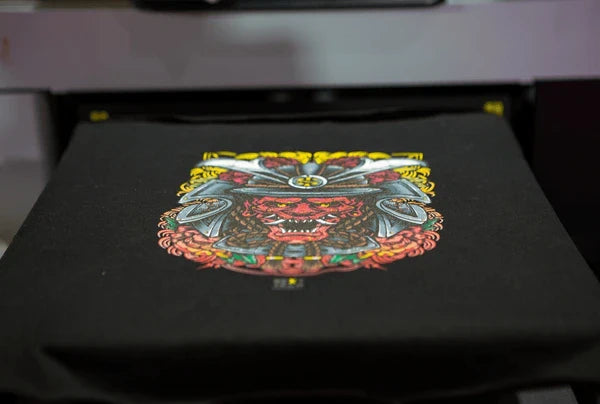
Sublimation printing has grown from a niche novelty into one of the most versatile digital printing methods available. It lets us create everything from vivid sports jerseys to personalized mugs that keep their luster after countless washes. At its core, this process goes beyond simply laying ink on top of a surface; it fundamentally transforms how color bonds with materials.
What is Sublimation Printing and How Does it Work? A Scientific Overview
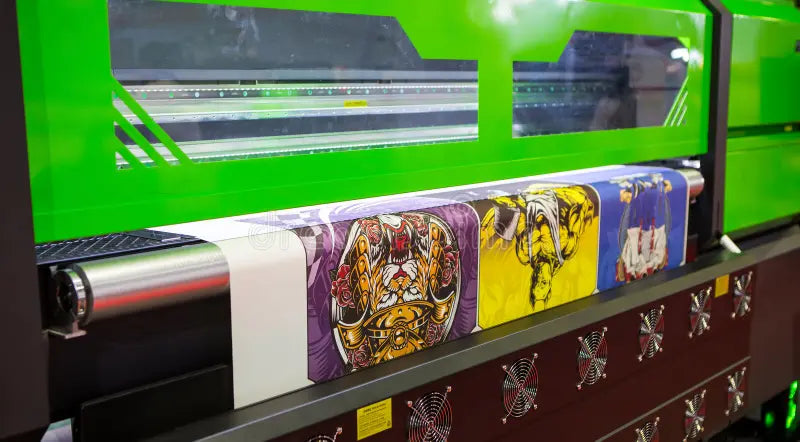
To understand what is sublimation printing and how does it work, it helps to picture a chemical reaction in motion. Traditional printing methods deposit layers of ink onto a surface. In sublimation printing, however, the ink starts on a special transfer paper and then turns into a gas under heat. The gaseous dye penetrates the fibers of polyester or polymer‑coated materials and bonds at a molecular level. Because the color actually infuses into the material rather than sitting on top, sublimated prints resist cracking, peeling and fading far better than many other techniques.
The process begins with preparing a mirrored digital design using graphic software. That design is printed onto sublimation transfer paper with inks formulated to convert from solid to gas when heated. A heat press applies high temperature and pressure, converting the ink to gas and forcing it into the material. Once the paper is removed, the image remains permanently embedded in the substrate. This gas‑to‑solid transition yields crisp details, smooth gradients and a finish that feels like part of the product.
What is Sublimation Printing and How Does it Work? Required Equipment
Unlike ordinary inkjet printers, sublimation printers use specialized heads and disperse dyes that transform from solid to gas under heat. You can source quality supplies such as DTF Supplies, MUTOH ECO INKS, MIMAKI INKS, and Mutoh Inks for reliable color performance. In addition to a dedicated printer, a complete setup includes:
-
Sublimation paper: This transfer medium holds the dye in its solid state until it is heated.
-
Heat press or calender: Provides consistent pressure and temperatures around 350–420 °F to convert the ink to gas. Larger rotary presses are used for roll‑to‑roll fabric applications.
-
Compatible blanks: Products must contain at least 80–90 % polyester or have a polyester coating to ensure proper bonding.
-
Design software and ICC profiles: Color management profiles ensure that on‑screen colors translate accurately when printed.
Investing in quality equipment pays dividends in print consistency and longevity. For example, purpose‑built printers from brands like Mimaki and Mutoh offer features such as wide formats and fluorescent ink sets, while eco‑friendly inks like MUTOH ECO INKS minimize environmental impact.
Key Advantages of Sublimation Printing

Sublimation printing stands out because the design becomes part of the material. This results in several notable benefits:
-
Exceptional durability and vibrancy. Since the dye penetrates fibers and coatings, sublimated products hold up well to washing, weather, and abrasion. Colors remain vivid and don’t peel or crack.
-
Seamless gradients and photo‑quality images. Sublimation allows continuous tones and sharp details that rival photographic prints. This makes it ideal for complex artwork or high‑resolution photographs.
-
All‑over printing. The process can cover entire surfaces, including seams and edges of garments, without the feel of a raised ink layer. All‑over jerseys and leggings showcase this capability.
-
Eco‑friendly qualities. Sublimation uses water‑based inks and produces minimal waste compared with screen printing or vinyl processes. When combined with sustainable fabrics, it’s a greener option.
-
Efficient small runs. Because there’s little setup cost, sublimation is economical for small batches or one‑off items. Print‑on‑demand businesses can customize individual products without stocking large inventories.
What are the disadvantages of sublimation printing?
Although sublimation printing offers many advantages, it also has limitations. Understanding them helps you decide when this technique is appropriate:
-
Material constraints. Sublimation requires polyester or polymer coatings; cotton and most natural fibers cannot bond with sublimation dyes. Real leather and dark fabrics are unsuitable unless specially coated. Items with low polyester content will result in faded or uneven prints.
-
Color restrictions. Because the dye becomes part of the substrate, the base color affects the final output. White or light‑colored blanks are essential for true color reproduction. Printing on dark textiles typically produces muted results.
-
Potential creasing near seams. When printing all‑over garments, folds or seams can prevent the paper from making full contact, leading to faint white lines. Proper preparation and using high‑quality blanks minimize this issue.
-
Equipment cost and learning curve. A dedicated sublimation printer, heat press and supplies like DTF Supplies require an upfront investment. Additionally, calibrating presses and managing color profiles involves a learning curve.
Despite these challenges, the long‑term durability and visual appeal often outweigh the drawbacks, particularly when printing on suitable materials.

Comparing Sublimation with Other Printing Methods
Understanding how sublimation stacks up against alternative methods can help businesses choose the right approach for each project. Screen printing, direct‑to‑garment (DTG), direct‑to‑film (DTF) and heat transfers all have unique advantages. The table below summarizes key differences:
| Feature | Sublimation Printing | Other Methods (Screen, DTG, DTF) |
|---|---|---|
| Color & detail | Vivid colors with photographic detail; continuous tones | Screen excels at bold, simple graphics; DTG handles detailed prints on cotton; DTF provides versatility on fabrics with a white ink layer |
| Durability | Dye becomes part of the material; won’t crack, peel or fade easily | Screen prints can crack over time; heat transfers may peel or fade; DTG durability varies with pretreatment |
| Material compatibility | Requires polyester or polymer‑coated substrates | Screen printing works on cotton, polyester and blends; DTG favors cotton; DTF can print on dark fabrics and blends |
| Setup & cost | Minimal setup, ideal for small runs | Screen printing requires screens and higher setup costs but is cost‑effective for large orders |
| Environmental impact | Water‑based inks and low waste | Screen printing uses more water and chemicals; DTF films and powders generate extra waste |
Sublimation is the preferred method for vibrant, all‑over designs on polyester. If you need to print on cotton or dark fabrics, techniques like DTG or DTF may be better. For a deeper exploration of how sublimation compares to DTF, see the repair guide article “DTF vs Sublimation: Which Printing Method is Better," which explains scenarios where each technique shines.
What kind of printer do you need for sublimation?
Beginners sometimes convert desktop inkjet printers for sublimation, but professional results require purpose‑built machines. Dedicated sublimation printers manage color profiles and maintain consistent ink flow. The dye‑sub process demands specialized inks—standard inks will not convert to gas and could damage equipment. Many shops choose wide‑format printers from brands like Mimaki and Mutoh, which support fluorescent ink sets and handle large fabrics. Accessories such as a reliable heat press, cutting tools and protective sheets are also essential.
When shopping for equipment, consider throughput, media width and ink configuration. Entry‑level printers like Mimaki’s TS200 or Mutoh’s printers are ideal for small apparel runs, while industrial models handle high‑volume signage and décor. Supplies such as MUTOH ECO INKS and MIMAKI INKS ensure compatibility and longevity.
What cannot be sublimated?
Certain materials resist the sublimation process entirely. Cotton, natural leather and untreated wood lack the polymer pores required for dyes to bond, so prints wash out quickly. Dark or black fabrics obscure color because sublimation dye is translucent; the substrate color influences the final appearance. Metallic surfaces, glass or ceramics without a polyester coating will not accept sublimation ink. When in doubt, choose blanks labelled for sublimation or apply a polymer coating.
Sublimation Printing in Action: Applications and Tips
Sublimation’s versatility spans from custom apparel to hard goods. Sports jerseys, leggings, cycling kits and athleisure wear take advantage of sublimation’s all‑over capabilities and vibrant color palette. Home décor items like cushions, blankets and curtains benefit from designs that won’t fade after washing. Coated mugs, phone cases and aluminum panels also work beautifully.
To achieve the best results:
-
Use high‑resolution artwork. Sublimation reveals every pixel; low‑quality files produce blurry prints.
-
Calibrate equipment. Test temperature and pressure settings for each material; even small adjustments can eliminate ghosting or faded areas.
-
Select the right supplies. Quality materials such as DTF Supplies and Mutoh Inks ensure consistent color and longevity.
-
Plan for shrinkage and alignment. Fabrics can shrink under heat; printing designs slightly larger than the blank ensures edges are fully covered. Use heat‑resistant tape or adhesive spray to keep paper in place.
The Future of Sublimation Printing
As consumers seek personalization and sustainable production, sublimation printing is poised for continued growth. New ink formulations promise wider color gamuts and improved UV resistance. Developments in printer technology, such as hybrid machines that handle both transfer and direct‑to‑fabric workflows, are expanding capabilities. Businesses can offer on‑demand manufacturing of apparel, décor, signage and promotional products without large inventories.
Emerging markets also include environmentally conscious materials—recycled polyester fabrics paired with eco‑friendly inks like MUTOH ECO INKS. By embracing innovations and understanding what is sublimation printing and how does it work, entrepreneurs can leverage this technology to create bold, durable and sustainable products.

What is needed for sublimation printing? Putting It All Together
To recap, a successful sublimation setup requires:
-
Dedicated printer and inks. Choose a model sized for your production needs and compatible with disperse dyes.
-
Heat press. Ensure it can handle your media type—flat presses for apparel and mugs; rotary presses for roll goods.
-
Transfer paper and blanks. Use high‑quality sublimation paper and products that are at least 80–90 % polyester or polymer coated.
-
Color management tools. ICC profiles, design software and calibration devices help reproduce accurate colors.
The right combination of equipment and materials will enable you to produce vibrant, durable products that stand out. Whether you’re customizing team jerseys, printing promotional mugs or exploring décor, sublimation printing offers a powerful way to bring ideas to life.