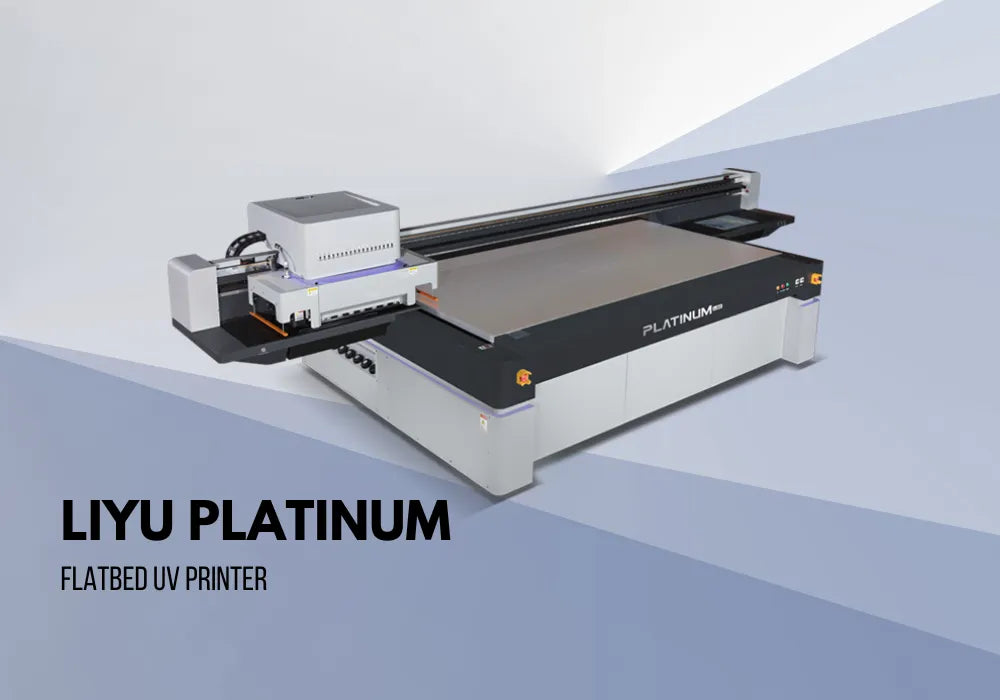
A UV flatbed printer isn’t just another piece of office equipment; it’s a production workhorse that can make or break delivery schedules. When I started using these machines I realised that people rarely ask about their long‑term durability, even though it’s crucial for return on investment. Many buyers focus on print width or speed without considering whether their machine will still be supported years down the road. Lifespan depends on how you treat the machine and whether spare parts remain available. This article explores the factors that shape longevity and offers guidance on getting the most from your purchase.
The Promise of UV Flatbed Printing
UV flatbed printers cure ink instantly, allowing you to print on wood, acrylic, metal and more without waiting for drying. This versatility opens new revenue streams and produces prints that resist scratches and fading far better than traditional inks. I remember my first UV‑cured project—a sign for a trade show—and being impressed that it was ready to handle immediately, without the smudges common to solvent prints. However, the high price of these machines means you need assurance that they will serve you for years—not just months. Learning what influences their life expectancy helps you decide whether the investment makes sense.
Understanding UV Flatbed Printer Lifespan

Most industrial UV flatbed printers remain productive for three to five years, and high‑end models can stretch to seven years with diligent care. The environment plays a role: stable temperature and humidity protect electronics, while dust and heat accelerate wear. Usage patterns matter too; running a printer nonstop is harder on components than a balanced schedule. In office environments with lighter use the same machine may last longer simply because it isn’t pushed as hard as a factory unit. Above all, the availability of replacement boards, printheads and control systems determines whether you can keep a machine running once the warranty ends.
What is the lifespan of UV print?
UV‑cured prints themselves last much longer than most machines. The inks form a tough layer that resists chemicals and sunlight, so indoor prints can remain vibrant for many years and outdoor prints can survive multiple seasons. Adding a protective laminate or clear coat further slows fading and abrasion, making these prints suitable for signage and décor. Don’t confuse this durability with the printer’s lifespan; they’re different by nature. A machine may need new printheads every few months while still producing prints that last for years.
Is it worth fixing a 10‑year‑old printer?
By the time a UV flatbed reaches its tenth year, electronics and firmware are often outdated. Spare parts may be scarce, and repairs can cost more than they’re worth. If you’re constantly replacing printheads and boards, it might be wiser to invest in a newer model because downtime costs can dwarf the price of a new machine. On the other hand, if the printer still meets your production needs and UV Inks are keeping it running smoothly, targeted repairs can extend its service life a bit longer. Evaluate repair bills not just against the purchase price of a new printer, but against the lost revenue when your old unit is out of commission.
Are UV printers high maintenance?
Industrial UV printers require more care than desktop models, but the workload is manageable. Daily cleaning of printheads and periodic inspection of sensors and rails prevents clogs and misalignments. Keeping your workspace clean and well ventilated protects electronics from dust and heat, and cleaning UV lamps regularly ensures inks cure properly. Following a simple daily, weekly and monthly maintenance routine recommended by manufacturers will keep your machine working reliably. Investing a few minutes each day on maintenance saves hours of troubleshooting later.
The Value of Spare Parts Availability
Access to spare parts is the single biggest factor in long‑term value. Without replacement boards or printheads, even minor failures can shut down production. Manufacturers that guarantee parts for eight years or more allow you to plan maintenance and avoid premature replacement. Shops with assured parts access spend less on replacements and enjoy higher resale values. Some competitors stop supporting models after only three or four years, so always ask how long a supplier stocks parts before committing to a purchase.

Maximising ROI and Sustainability
Return on investment involves more than purchase price; uptime, service costs and resale value all matter. Selecting a printer built with modular, industrial components makes repairs simpler and extends overall life. One signage company cut unscheduled downtime by 38 % by choosing a model with extended parts support. Energy efficiency also contributes; newer curing systems consume less electricity and generate less heat, lowering operating costs. Investing in quality up front can therefore save money over time, and sustainability means choosing a machine that grows with your business rather than becoming obsolete quickly.
Table – Typical Lifespan Considerations
| Component/Aspect | Typical Lifespan Range | Notes |
|---|---|---|
| Whole UV flatbed printer | 3–5 years; up to 7 years with good care | Environment, usage and parts support all matter |
| Printhead life (Epson/Ricoh/Toshiba) | 3–6 months / 9–18 months / 24–36 months | High‑quality MIMAKI INKS and Mutoh Inks extend life |
| Spare parts guarantee | 8 years or more recommended | Ensures you can repair instead of replace |
| ROI impact | 20–30 % higher resale value and lower reinvestment costs | Long‑term support keeps machines profitable |
Choosing Inks and Suppliers
Ink quality directly affects both print durability and hardware longevity. Low‑quality inks may contain impurities that clog nozzles and shorten printhead life. Investing in premium products like UV Inks, MIMAKI INKS and Mutoh Inks keeps printheads clean and prolongs machine life. A good supplier doesn’t just sell ink; they offer technical support, training and troubleshooting resources to help you resolve issues quickly. Aligning with a responsive vendor makes them a partner in protecting your investment. Ask your supplier if they can help with color profiling, maintenance training and emergency parts to maximise uptime. For a deeper dive into ink longevity, see How long does UV printer ink last?.
Conclusion: Investing in Longevity
A UV flatbed printer typically delivers three to five years of reliable service and can reach seven years with diligent care. Printheads will need replacing regularly—that’s part of operating any inkjet machine. Long‑term spare parts availability is what turns a UV printer from a disposable purchase into a long‑term asset. Choosing MIMAKI INKS, Mutoh Inks and other premium consumables keeps those new heads running smoothly. By selecting a machine built for longevity, maintaining it properly, and partnering with a supportive supplier, you can maximise your return on investment and keep your business printing smoothly.