Choosing the right printing method matters whether you’re a hobbyist printing a handful of shirts or a production shop handling dozens of orders. Direct‑to‑Film (DTF) and Heat Transfer Vinyl (HTV) take different routes to get artwork onto fabric. Each technique carries advantages in durability, versatility and cost, and each comes with trade‑offs. In this guide I walk through the basics of each method, explain their strengths and weaknesses, and help you decide which process fits your projects. I’ll also share my own observations from working with both technologies.
What’s better, DTF or vinyl?
At a high level, DTF and HTV differ in how they place designs onto garments. DTF prints a full‑color design onto a film, applies an adhesive powder and then presses the film to fabric, bonding ink directly into the fibers. Vinyl transfers, by contrast, involve cutting shapes from colored vinyl sheets, weeding away excess material, and pressing the cut pieces onto fabric. DTF tends to shine for detailed, multi‑color artwork and works on a wider variety of fabrics. Vinyl transfers excel at simple text and shapes and require less equipment to get started. In my experience, the choice is less about which method is universally “best” and more about matching the method to your design and business needs.
The essentials of DTF printing

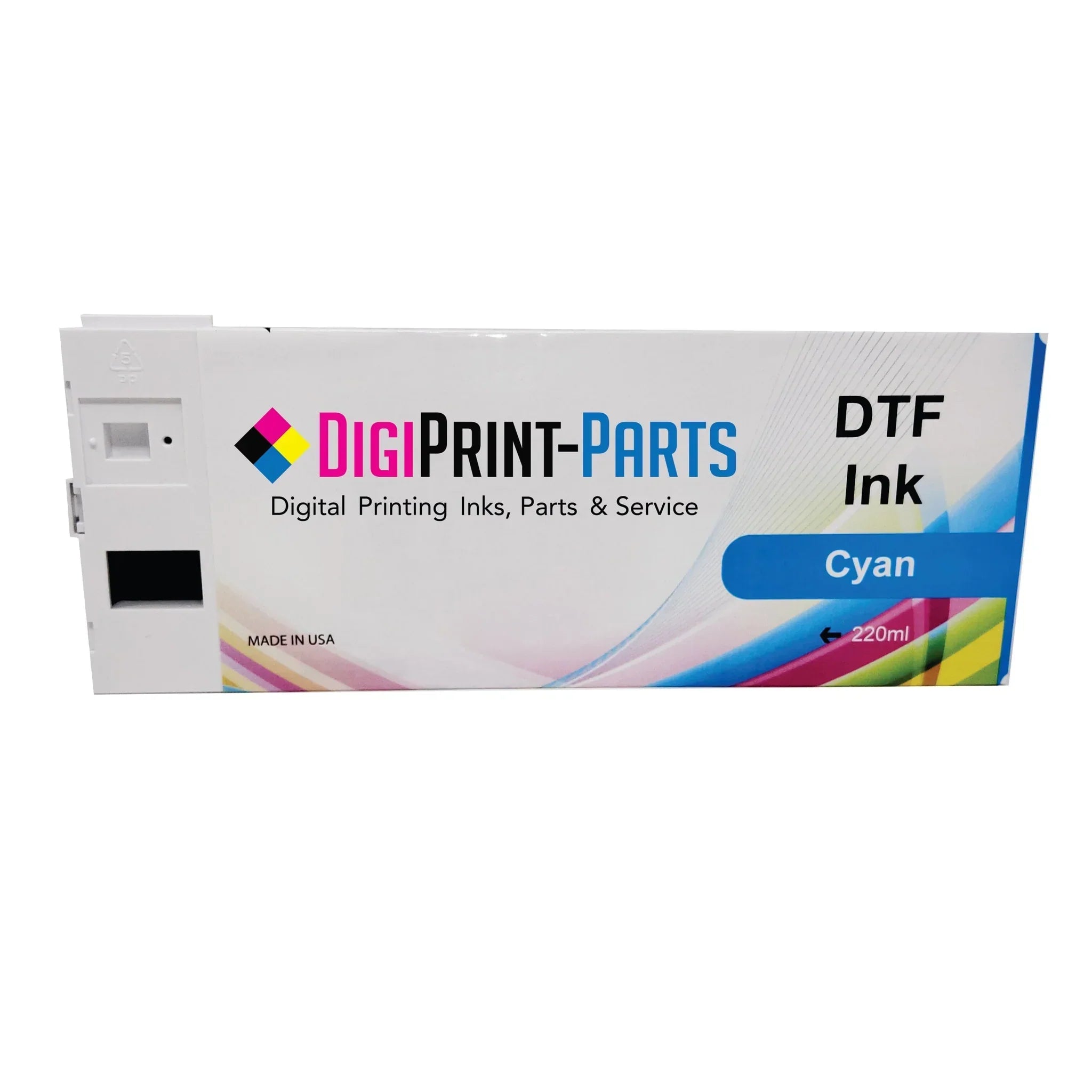
Direct‑to‑Film printing feels like magic when you first watch it. A design is printed onto a clear or white PET film using specialized inks and a DTF Inks set; then a powdered adhesive is applied while the ink is still wet. After curing, the film is placed onto the garment and heat‑pressed, bonding the ink permanently. Because the ink is sandwiched between the film and the fabric during transfer, DTF prints tend to sit flush with the fabric rather than on top of it. This gives them a soft hand feel and allows for fine detail and color gradients. DTF is also forgiving with materials: cotton, polyester, blends, leather and even some hard surfaces will accept the transfer. Investing in a DTF system requires a printer, curing unit or oven, transfer film, hot‑melt powder and consumables like DTF Supplies. For production shops, DTF’s efficiency comes from eliminating manual weeding and enabling full‑color prints in one pass.
Understanding heat transfer vinyl
Heat transfer vinyl relies on mechanical cutting rather than printing. Designs are created in vector software and then sent to a cutter that slices the design out of a sheet of colored vinyl. After cutting, every bit of unwanted vinyl must be weeded away by hand. The remaining vinyl is then pressed onto the garment with heat and pressure. Vinyl comes in a huge range of finishes—matte, glossy, metallic, flocked and glitter—making it perfect for bold logos and sports numbers. It’s inexpensive to get started: a cutter, some vinyl rolls and a heat press are all you need. However, working with HTV can be labor‑intensive. Intricate or multi‑color designs require multiple layers of vinyl, which increases thickness on the garment and reduces comfort. Cutting and weeding take time, and each layer increases the risk of misalignment. For simple shapes, though, vinyl is hard to beat in speed and economy.
Does DTF or vinyl last longer?
Durability is a major consideration, especially for garments intended for heavy use. A well‑made DTF transfer can survive more than fifty washes without cracking or fading. Because the ink bonds directly with the fabric fibers, the print flexes with the garment rather than sitting as a separate layer. Vinyl also holds up reasonably well but may begin to crack or peel after repeated washing, especially if the vinyl is thick or layered. Proper pressing and care—turning garments inside out for washing, avoiding high heat and following manufacturer recommendations—can extend the life of both types of prints. For items like work uniforms or sports jerseys that endure frequent laundering, DTF’s extended wash life makes it a sensible choice. For occasional wear or decorative items, HTV offers sufficient durability without the complexity of DTF equipment.
What are the disadvantages of DTF printing?
Despite its many strengths, DTF isn’t a silver bullet. The biggest hurdle for newcomers is the initial investment in equipment and supplies. A dedicated printer, curing system, hot‑melt powder and quality transfer film can cost several thousand dollars. Printing in‑house also requires proper ventilation, humidity control and a space to cure the adhesive powder. Another drawback is sourcing reliable consumables. Unlike vinyl, which is widely available in craft stores, DTF materials aren’t always easy to find. Beginners might consider outsourcing their prints or purchasing ready‑made transfers to avoid the learning curve. There’s also the question of waste: misprints and unused film contribute to material costs. While some shops recoup investment by offering DTF printing as a service, others stick with HTV because it’s simpler and less risky.

Does DTF feel like vinyl?
One of the joys of DTF is how soft the finished print feels. Because the ink bonds into the fibers, the print becomes part of the garment, resulting in a pliable surface that bends and stretches with the fabric. Wearers often remark that they cannot feel the edge of a DTF print. Vinyl, by contrast, creates a distinct layer on top of the fabric. This can feel slightly rubbery, especially when multiple layers are used. While some people like the tactile feel of vinyl—particularly for athletic numbers—others prefer the smooth finish of DTF. If comfort and drape are priorities, DTF is the better choice. However, if you’re aiming for a textured or glossy effect, vinyl may be the way to go.
When to choose DTF vs Vinyl?
Choosing between DTF and vinyl is less about a competition and more about aligning with your project goals. DTF excels at photographic images, complex logos and small text. If you’re producing short runs or one‑off designs with many colors, DTF will save time and labor because the whole design transfers in one press. It also allows you to offer products on diverse fabrics—including cotton, polyester blends, rayon and even metal or ceramic items. On the other hand, vinyl is ideal for simple shapes, names, and slogans. It’s inexpensive to set up, easy to learn and perfect for beginners or crafters. For high‑volume orders of basic designs, HTV can be more efficient because the cutting and pressing processes become streamlined. I often tell clients that if they need a dozen team jerseys with two colors each, vinyl is the economical option. But if they want a full‑color photographic print on a hoodie, DTF will deliver superior results.
Does DTF or vinyl print faster?
Production speed depends on the design’s complexity and the scale of the job. DTF eliminates weeding, which is the most time‑consuming step in vinyl work. Once a design is printed and cured, you can press multiple transfers rapidly. Some entry‑level DTF printers produce around four square meters per hour, while vinyl cutting speeds vary but are typically slower when factoring in weeding and layering. However, small businesses that outsource DTF transfers can work quickly without investing in equipment. Vinyl offers speed when you’re cutting simple shapes; a single‑color name or number can be cut and pressed in minutes. The trade‑off is that multi‑color vinyl designs require multiple cuts and presses, which slow production and increase labor costs. In my shop, we use DTF for jobs with more than two colors or fine detail, reserving vinyl for straightforward lettering.
Design flexibility and special effects

One advantage of HTV is the range of textures and finishes available. You can find glitter vinyl, metallic foils, flocked surfaces and reflective films that aren’t possible with standard DTF prints. For team jerseys or bold logos, metallic vinyl looks fantastic. DTF can replicate subtle gradients and photographic detail that vinyl cannot achieve. If your design has shading, photographic elements or tiny lettering, DTF prints will look sharper and more professional. You can also produce gang sheets—multiple designs on a single film—to save on setup and material costs. Meanwhile, vinyl allows on‑the‑fly customization; you can quickly cut and apply names and numbers without waiting for a print run. For example, adding personalized names to event shirts is fast and cost‑effective with vinyl.
Equipment and cost considerations
Starting a DTF operation requires more capital than buying a vinyl cutter. A basic home cutter and heat press may cost a few hundred dollars, whereas a small DTF setup runs into thousands. That said, purchasing ready‑made transfers or using third‑party printing services reduces the barrier to entry. HTV’s low upfront cost makes it popular among hobbyists and small businesses. DTF’s higher consumable cost is offset by lower labor costs and faster production on complex jobs. Consumables like Digital Printing Inks and transfer films must be factored into your budget. When pricing jobs, consider not only material costs but also your time. Weeding vinyl can consume hours over the course of a large order, while DTF’s digital workflow frees up time for design and customer service. If you are scaling up and need consistent quality across multiple orders, the investment in DTF equipment pays dividends.
Future trends and final thoughts
Direct‑to‑Film technology is evolving quickly. Companies are developing printers that handle larger formats, faster curing methods and improved DTF Inks. As supply chains improve and demand grows, the cost of equipment and consumables should continue to drop. Some experts predict that DTF will become the standard for on‑demand, full‑color garment printing, while HTV will remain a niche for simple jobs and special effects. Personally, I think there will always be room for both. Vinyl’s tactile finishes and low cost appeal to small runs and custom names, while DTF’s efficiency and quality make it ideal for complex artwork. If you’re curious about how DTF holds up over time, check out the repair guide on How long do DTF prints last?. For an external perspective, this expert print guide compares HTV and DTF from a print‑shop owner’s view.
In the end, the answer to the question “Which is better, vinyl or DTF?” depends on your priorities. If you need vibrant, detailed prints on many types of fabric and want to reduce manual labor, DTF is a smart investment. If you’re creating simple designs, logos, or sports numbers on a budget, vinyl offers reliability and a straightforward workflow. Both techniques have a place in modern garment decoration, and understanding their strengths lets you choose the right tool for each job.