
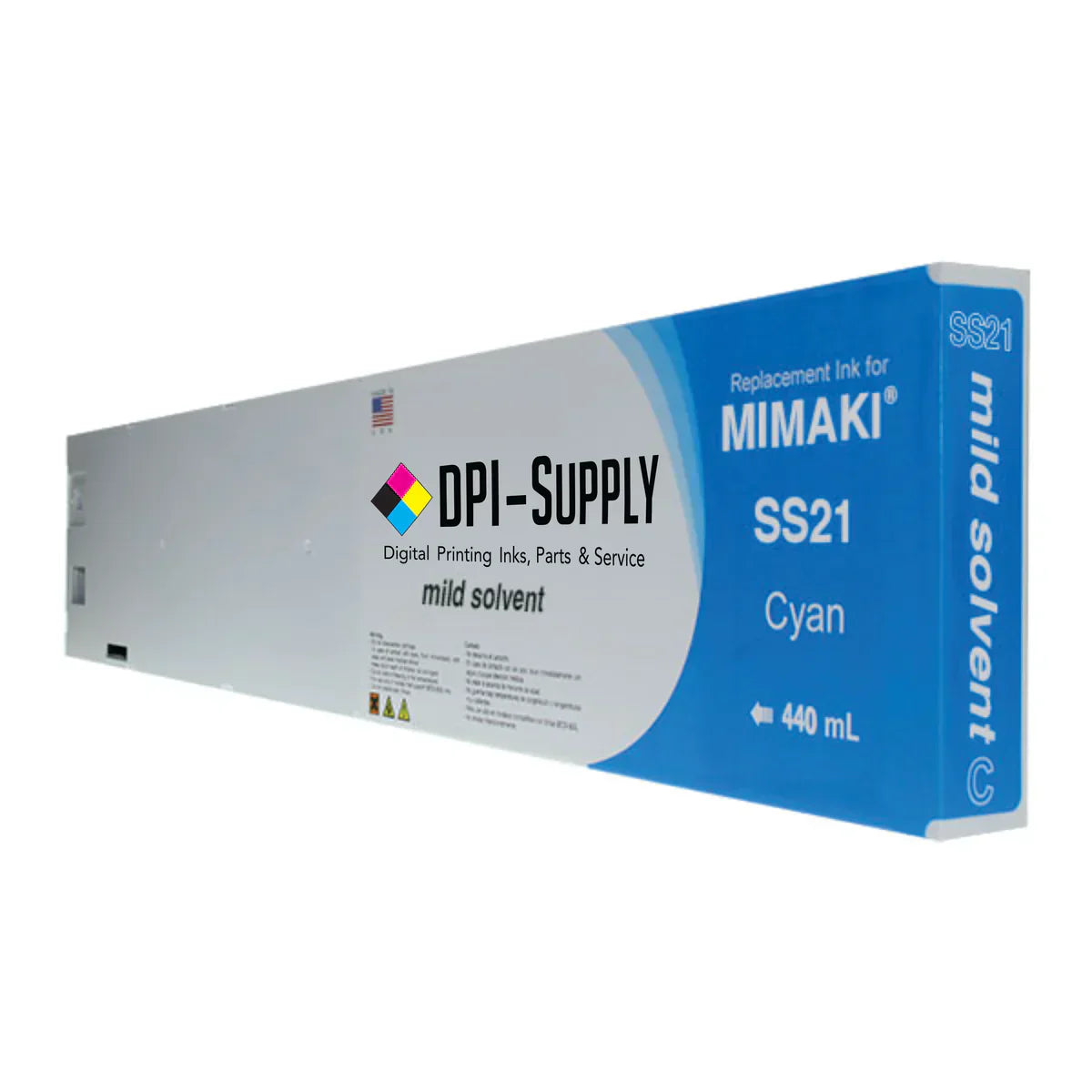
When I first stepped into the specialty ink business, I never imagined I would spend decades surrounded by swirling colors and humming print heads. I started in screen printing as a twenty‑year‑old who loved seeing art come to life on fabric. Years later, after a challenging non‑compete clause forced me to briefly run a Speedway gas station, I returned to my passion. A friend introduced me to digital printing and alternative inks for Mimaki and Roland printers, and that meeting changed my career. Over the past ten years I’ve sold tens of thousands of gallons of ink and learned, sometimes the hard way, how proper storage can make or break a print shop’s reputation. This guide distills what I’ve learned about Mimaki SS21 ink, Mimaki printer ink, Mimaki inks and other digital printing inks and offers actionable steps to keep them fresh and reliable.
Best Practices for Storing Mimaki SS21 Ink and Extending Shelf Life
Because eco‑solvent formulations like Mimaki’s SS21 are complex blends of pigment, resin and solvent, they can degrade if exposed to the wrong conditions. Manufacturers typically recommend a shelf life of 12 – 24 months from the production date, but real‑world results vary depending on how you handle and store your cartridges and bottles. Through trial, error and countless conversations with printer technicians, I’ve learned that extending shelf life begins with understanding the ink itself.
I like to treat ink as a perishable product. Just as you wouldn’t leave milk out on a hot counter, you shouldn’t leave Mimaki printer ink in direct sunlight or next to a heater. Store cartridges and bulk bottles upright in their original sealed packaging until you’re ready to use them. In my shop we rotate stock so that older ink is used first, which prevents accidentally reaching for a bottle that’s been sitting on a shelf for years. When new shipments arrive, we write the production date on a label to make tracking easier.
Understanding Mimaki SS21 Ink Composition
Mimaki SS21 is an eco‑solvent ink formulated for outdoor durability and high colour fidelity. Unlike water‑based inks, eco‑solvent products contain mild solvents that keep the pigments suspended and allow them to bond with vinyl and banner materials. The trade‑off is that these solvents are volatile. If a cartridge is unsealed, the solvent can evaporate, leading to thicker ink, clogged lines and head failures. Keeping your Mimaki SS21 ink sealed and upright reduces the risk of separation or sedimentation and prevents air from reaching the ink chamber.
Pigments also play a role in storage. Over time, pigment particles can settle at the bottom of a bottle. Gently rolling the cartridge or bottle between your palms before installing it helps re‑suspend the pigments without introducing air bubbles. Avoid shaking vigorously; that can create foam and air pockets that might cause mis‑firing print heads.
Temperature, Humidity and Light: Environmental Factors
Temperature is the most critical environmental factor. Most manufacturers recommend storing cartridges at room temperature, between 15–35 °C (59–95 °F). Going outside this range can change the viscosity of the solvent, cause pigment separation and reduce shelf life. In my Ohio shop we installed a climate‑controlled cabinet specifically for ink, because summer humidity and winter chills can wreak havoc on pigments. The Epson Stylus C82 user manual lists a storage range of ‑20 °C to 40 °C (‑4 °F to 104 °F) with relative humidity between 5 % and 85 %. Staying within these parameters ensures inks do not thicken or precipitate.
Humidity matters because too much moisture encourages condensation inside cartridges while too little dries out the nozzles. Aim for 20–80 % relative humidity and avoid storage areas near vents, radiators or windows. Light, particularly UV light, can degrade pigments and break down solvent carriers. Keep inks in opaque packaging or closed cabinets to minimize exposure. A dark closet or drawer is ideal.

Avoiding Light Exposure
During my years of traveling to trade shows, I’ve seen open ink bottles sitting on shop tables under fluorescent lights. The colors might still look fine, but prolonged exposure can alter pigments. Keep your inks in their boxes until the moment you need them, and if you pour from bulk bottles into refillable cartridges, use amber or opaque containers.
The Importance of Consistency
Rapid temperature swings can be just as damaging as prolonged extremes. If your shop is closed for a long weekend and the heat shuts off, ink can cool and thicken. When you turn the heat back on, condensation may form inside the cartridge. A simple preventive measure is to store ink in an insulated cabinet or an interior room where temperature changes are gradual.
Handling, Sealing and Storage Methods
Storing ink isn’t just about where it sits; it’s also about how you handle each cartridge. I learned early on that improper handling leads to wasted ink and clogged heads. When you unbox a cartridge, inspect it for damage but leave the protective tape over the print head contacts until installation. HP’s instructions for storing ink cartridges recommend keeping unused cartridges sealed and note that each cartridge has an expiration date. Breaking the seal too early invites air inside and speeds up evaporation.
If you purchase bulk ink in bottles to refill your digital printing inks systems, always clean funnels and syringes thoroughly before use. Cross‑contamination of different ink formulations can cause coagulation or chemical reactions. Use dedicated tools for different colour channels to avoid mixing small amounts of magenta into your cyan supply. Keep lids tightly closed when you’re not actively pouring.
Rotating Stock
First‑in, first‑out (FIFO) isn’t just an accounting term; it’s essential for ink storage. Arrange your inventory so that older cartridges are in front and new ones go to the back. Mark each with the date you received it and check the manufacturer’s expiration date. In my experience, inks used within six months of purchase perform at their best.
Shelf Positioning and Movement
Store cartridges upright so that the internal membrane and sponge remain saturated. Laying them sideways can cause the ink to settle unevenly. When transporting ink to a job site or between rooms, cushion cartridges to avoid jolts. Solvent inks don’t like to be shaken vigorously, so treat them gently.
How do you store ink cartridges when not in use?
Unused cartridges can sit for months before they’re needed, and improper storage can ruin them before they ever see a printer. The simplest approach is to keep the cartridge in its original sealed packaging. The packaging protects against light, dust and fluctuations in humidity. For open cartridges that have been removed from the printer, seal the nozzle area with a piece of plastic wrap and secure it with tape. Place the cartridge in an airtight container with a damp—not wet—paper towel to maintain moisture around the nozzles.
Avoid refrigerating ink cartridges. While the fridge is cool and dark, the humidity inside fluctuates when the door opens, and condensation can form on the circuitry. Instead, use a dedicated drawer or cabinet at room temperature. For long‑term storage, check the cartridge every few weeks. Look for dried ink at the outlet port or signs of leakage. If you see clumps or separation, gently roll the cartridge to re‑mix the contents before resealing it.
How to bypass Mimaki expired ink expiry?
Every cartridge includes a chip that communicates with the printer and tracks the expiration date. When it hits the “end of life,” some users look for ways to bypass the message to use the remaining ink. As someone who has been a certified Mimaki technician since 2010, my advice is to proceed cautiously. The printer’s warning isn’t arbitrary; solvents and pigments deteriorate over time. Continuing to use expired ink can cause clogged dampers, mis‑firing nozzles and even head failure.
Technically, there are third‑party chip resetters and firmware tricks that claim to override the expiration notice. However, doing so voids warranties and can cost more in replacement parts than you save on ink. Instead, focus on preventing waste by ordering only what you need, rotating stock properly and printing regularly. If you absolutely must use an expired cartridge in a pinch, test it with a nozzle check and be prepared to flush the lines if you see banding or color shifts.
Is it bad to leave ink in printer while moving in storage?
Moving a printer across town or putting it into storage for a few months requires planning. When I deliver or service printers, I always ask customers whether the machine will sit unused. If so, my recommendation is to flush the ink system with cleaning solution or install storage cartridges. Leaving Mimaki inks in the lines while the printer sits idle allows solvents to evaporate and pigments to settle. When you power up the machine later, those clumps can clog filters and nozzles.
If you have to move the printer fully loaded, secure the cartridges and lock the print head in place. Avoid exposing the unit to extreme temperatures during transport. Once you arrive, run a cleaning cycle and print a nozzle check. This simple habit has saved countless print heads in my experience. And remember, maintenance doesn’t end with OEM cartridges. Alternate inks are just as sensitive to neglect, and proper care ensures they perform like their brand‑name counterparts.
Does printer ink go bad in the cold?
Cold temperatures pose a different risk: freezing. Most eco‑solvent inks remain stable down to about 5 °C (41 °F), but prolonged exposure to cold can cause the solvent to separate from the pigment or even crystallize. According to manufacturer specifications for the Epson Stylus C82, storage temperatures as low as –20 °C (–4 °F) are permissible, but only when the ink is sealed and warmed gradually before use. In practice, I’ve seen bottles left in an unheated delivery truck develop sludge at the bottom.
If your shop is in a region with cold winters, store ink in a heated space. Never use ink that has been frozen and thawed; the chemical structure changes and it will not jet properly. Instead, dispose of it responsibly and replace it. Keeping a small space heater in the storage area or insulating your ink cabinet can prevent surprise freeze‑ups. It’s better to spend a few dollars on climate control than hundreds on replacement heads.

Maintenance and Printhead Care to Extend Ink Life
Even the best storage practices won’t matter if you neglect your printer. In seminars I’ve given, I always repeat a simple mantra: “Did you run it? Clean it.” That means every time you print, you should clean the machine at the end of the day. Wipe overspray off the carriage, cap station and wiper blades. A clean machine reduces the chance of dried ink clogging nozzles and helps your stored ink last longer because it isn’t wasted during aggressive cleaning cycles.
Run a nozzle check once or twice a week, even if you aren’t printing regularly. This keeps ink flowing and prevents pigment settlement in the lines. If you need more maintenance tips, our article on How Do I Prevent Clogging When Using Mimaki Inks? explains daily cleaning routines in more detail.
Final Thoughts and Taking Action
Properly storing Mimaki SS21 ink and other digital printing inks isn’t just about preserving a consumable—it’s about protecting your equipment and your reputation. As someone who has helped countless clients transition from OEM cartridges to high‑quality alternatives, I’ve seen the cost savings and performance benefits first hand. But those benefits disappear when ink sits on a shelf in a hot garage or gets left in a printer for months.
Use a climate‑controlled, dark storage area, keep cartridges sealed until needed, rotate your stock and handle ink gently. Maintain your printer diligently, printing regularly and cleaning after every run. If you follow these simple yet crucial steps, you’ll enjoy vibrant colors, consistent output and longer life from your Mimaki inks, whether you’re using OEM or alternatives. For more information, check out HP’s instructions for storing ink cartridges or contact your supplier for additional guidance.