Direct‑to‑film (DTF) printing has exploded in popularity because it lets you transfer vivid, durable designs onto almost any fabric. Yet there’s a hidden cost to those vibrant prints: the pigment‑rich inks are both delicate and expensive. As someone who has spent decades working with specialty inks and testing alternatives, I’ve seen first‑hand how storage habits determine whether a bottle of DTF ink is a reliable partner or a shelf‑bound hazard. In this guide I’ll share what influences shelf life, how to store your ink correctly, and when it’s time to say goodbye to an old batch.
I still remember my first encounter with DTF ink. After a career in screen printing and years of selling alternative inks, I was drawn to this new technology. A fellow technician showed me that white ink could stay opaque without flooding your garment, and my curiosity turned into a commitment to test every brand I could find. Along the way I learned hard lessons about sediment, clogs and ruined printheads. These experiences, paired with the science of ink chemistry, form the basis of the advice below.
How Long Does DTF Ink Last? Storage, Shelf Life, and Expiration Tips
At the heart of every DTF print is pigment‑based ink suspended in a blend of water, resins and additives. This chemical cocktail is sensitive to heat, light, oxygen and time. Under ideal conditions, most manufacturers rate unopened bottles for 6 to 12 months. Some premium inks remain stable for up to two years, but once the seal is broken the clock speeds up. An opened bottle generally stays in good condition for three to six months before oxidation and evaporation start to thicken the fluid. Small 250 mL bottles may last about three to four months after opening, whereas five‑liter containers can stretch to five or six months if they’re used regularly.
These numbers aren’t hard rules. Temperature swings, humidity and exposure to air shorten shelf life dramatically. Conversely, disciplined storage and handling can sometimes keep ink usable a little longer. Throughout this article I’ll explain the factors at play so you can make informed decisions.
What is the shelf life of DTF ink?

Shelf life refers to the time a product remains within specification when unopened and stored properly. Manufacturers label their ink with a “best by” or expiration date based on tests in stable, room‑temperature conditions. Typical DTF inks remain within spec for 6–12 months, although some high‑quality formulations can last up to two years. It’s tempting to think that an extra month or two won’t matter, but pigment particles settle and oxidize over time. Even unopened bottles can experience evaporation through imperfect seals, especially in hot climates. Buying only what you expect to use within a year and rotating your stock will keep you from gambling with old ink.
Unopened vs. opened bottles
An unopened bottle or pouch is a controlled environment: the headspace above the ink contains a specific amount of air and the container materials are designed to block light and oxygen. Once you crack the seal, air rushes in and oxidation begins. I’ve found that smaller containers suffer most; a 250 mL bottle might last four months once opened, while a five‑liter drum could stay viable for half a year. To avoid waste, purchase smaller sizes for low‑volume projects and larger drums only when you have consistent demand.
Factors affecting DTF ink longevity
Several environmental and handling factors work together to degrade DTF ink. Understanding them helps you build a storage strategy.
Temperature and humidity
DTF ink prefers a consistent environment between 15 °C and 25 °C (59–77 °F). Heat accelerates chemical reactions; prolonged exposure above 25 °C can cause gelling or sludge formation. Cold temperatures below 15 °C encourage pigments and resins to separate or even crystallize. Humidity should stay around 40–60 percent. Too dry and the water content slowly evaporates through seals; too humid and condensation encourages mold growth. If your shop experiences wide seasonal swings, consider storing ink in a climate‑controlled cabinet or interior closet.
Light and air
Ultraviolet light degrades the binders and additives in DTF ink, so bottles should live in complete darkness. Keep them in their original cardboard boxes or opaque storage bins. Air introduces oxygen that slowly oxidizes pigments and thickens the ink. After each pour, clean any drips from the neck and seal the cap tightly. Some high‑volume shops displace the headspace with inert gas to minimize oxygen exposure, but for most users the key is to use opened bottles promptly and keep them upright.
Contamination and handling
Dust, fibers and even leftover ink from another color can trigger particle growth and clogs. Always use clean funnels or syringes dedicated to each color and wear gloves to reduce lint. When I first started handling water‑based DTF inks, I didn’t appreciate how easily a stray fiber could cause a head clog. It only takes one spec of contamination to ruin a printhead worth more than $1,000. Treat your ink station like a lab: immaculate surfaces, lint‑free wipes and no eating or drinking nearby.
Real stories from the field
Authenticity matters. In my early days of testing DTF inks, I experimented with several low‑cost brands. They printed well for a couple of weeks, but after a month the white ink began to yellow and quiet down, forcing users to replace printheads. The bargain ink didn’t seem like such a bargain when a replacement Epson printhead cost over $1,200. Another memorable lesson came from a customer named Frank who ran a specialty print shop. He had always used OEM ink because he doubted third‑party brands. When his supplier raised prices again, he tried my alternative ink and discovered that 2,000 mL bags of OEM ink costing over $400 could be replaced with a compatible bag for less than half that price. The color matched perfectly, the prints lasted, and he’s been a loyal customer ever since.
These experiences taught me that not all DTF inks are equal. High‑quality water‑based inks with a higher solid content produce better opacity and require less ink laydown. They also hold up longer on the shelf. But even the best ink can fail if you neglect maintenance. My colleagues and I developed a simple mantra: “Did you run it today? Then clean it today.” Every time you print, wipe the carriage and cap station because overspray bounces back onto the printhead. This habit prevents dried ink from clogging the nozzles and extends the life of both your ink and your printer.

How to tell if DTF ink is bad?
Before pouring any ink into your printer, perform a quick inspection. Here are tell‑tale signs that a bottle has gone bad:
- Color change: If the ink’s hue differs noticeably from when it was fresh, oxidation or chemical breakdown has occurred.
- Sediment or clumps: Dense sludge at the bottom or particles that won’t dissolve indicate pigments have settled irreversibly. Mild settling can be fixed by gently rotating the bottle end‑over‑end a few times—avoid vigorous shaking, which introduces air bubbles and foam.
- Gel or stringy texture: Thickened ink that pours like jelly suggests evaporation or binder breakdown.
- Mold or unusual odor: Fuzzy growth or a sour smell means bacteria or fungi have colonized the ink.
- Poor print quality: Streaking, blurring or inconsistent color may be your first sign that something is wrong.
When you encounter any of these issues, err on the side of caution. The cost of new ink is tiny compared to the price of a ruined printhead or wasted garments.
Visual inspection checklist
Create a habit of checking your ink before each refill:
- Look for separation: a distinct layer of pigment sludge under clear liquid.
- Gently roll the bottle to see if sediment redistributes.
- Smell the ink; chemical odor is normal, foul odors are not.
- Pour a small amount into a cup. It should flow smoothly, similar to new ink.
Can you use expired DTF ink?
Technically you can use ink after its printed expiration date, but it’s risky. Expired ink often settles or thickens, which can clog your printer and distort colors. Professional print shops avoid using any ink beyond its shelf life because the cost of a printhead far outweighs the savings from finishing an old bottle. If you decide to test expired ink on a non‑critical project, agitate it gently for several minutes to re‑suspend pigments and run nozzle checks frequently. At the first sign of banding or clogging, stop and replace the ink. For mission‑critical jobs or high‑volume production, always choose fresh ink.
Risks of expired ink
- Color inconsistency: Pigment ratios change as sediment forms, making it hard to maintain accurate color.
- Clogged nozzles: Thickened or moldy ink can block micro‑nozzles, damaging the printhead.
- Loss of adhesion: Degraded resin may prevent the ink from properly adhering to film or fabric, leading to peeling.
- Reduced wash durability: Prints made with old ink might crack or fade faster.
If you’re unsure, contact your ink supplier. Many manufacturers offer take‑back programs for expired ink and can advise on safe disposal.
How to store DTF ink?
Proper storage is the most effective way to maximize shelf life. Here’s a step‑by‑step guide based on best practices and my own testing:
- Choose a stable environment: Store bottles at 15–25 °C (59–77 °F) in a room with moderate humidity. Avoid garages and attics that experience extreme swings.
- Keep it dark: Light triggers photodegradation. Keep ink in original cardboard boxes or opaque bins.
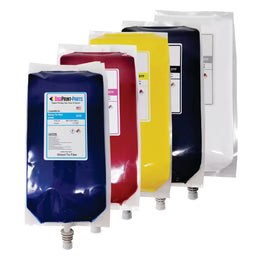
- Maintain original packaging: Don’t decant ink into glass jars or other containers. Manufacturers design their pouches to block UV and minimize headspace.
- Seal properly: After each use, wipe the neck clean and tighten the cap. For large pouches, ensure the inner liner is sealed before closing the outer cap.
- First‑in, first‑out (FIFO): Label each bottle with the date you received it and use the oldest ink first.
- Gentle re‑homogenization: If the ink separates, slowly roll the bottle to mix it. Avoid violent shaking.
- Dedicated tools: Use clean syringes and funnels for each color and avoid dipping tools into the main supply.
- Clean your printer: At the end of each day, wipe the printhead carriage and cap station. Fresh ink will perform poorly if dried ink residue remains.
Practical tips for extending shelf life
Small habits can add up to months of extra usability. Keep your ink inventory organized on a dedicated shelf so you can easily rotate stock. Consider using a hygrometer and thermometer to monitor conditions in your storage area, especially if your shop is in a humid basement. When working with partial bottles, use up smaller sizes first—leaving a few millimeters of ink in a large container creates excess airspace that accelerates oxidation. For high‑volume users, some suppliers sell inert gas sprays that replace oxygen with argon before sealing; this can buy you a little extra time but isn’t a substitute for good turnover.
I also advise against refrigeration. It may seem logical to slow chemical reactions with cold temperatures, but modern DTF inks can separate or crystallize below 10 °C (50 °F). Bringing cold bottles into a warm room can cause condensation, introducing water into the ink and promoting mold. Store your ink at room temperature instead.
FAQ: common questions about DTF ink
Why does my white ink turn yellow? White DTF ink contains a high concentration of titanium dioxide. If it’s exposed to air or high temperatures, it can oxidize and yellow over time. Using high‑quality DTF Ink and DTF White Ink & CMYK Ink formulated for longer stability helps. Always store bottles upright and use them within three months of opening.
Do I need special inks for Epson printers? Many printers are re‑branded industrial machines. For example, my shop runs converted Epson models that perform beautifully with alternative Epson DTF Ink. The key is to match the ink’s viscosity and chemistry to your printhead. Consult your supplier to ensure compatibility and run small tests before a production run.
Is bulk ink cheaper in the long run? Buying Bulk DTF Ink can cut costs for high‑volume shops, but only if you can use the ink before it degrades. Large pouches resist evaporation better than small bottles, but once opened they should be finished within five or six months. If your production volume is sporadic, stick to smaller bottles and focus on proper storage.
Where can I learn about the durability of finished prints? Shelf life isn’t the same as print life. To understand how long your finished designs will last on garments, read this helpful article on How long do DTF prints last?. It covers washing, curing and other factors that influence garment longevity.

Environmental and disposal considerations
DTF ink is not a drain‑safe liquid. The pigments and resins can contaminate water sources and harm wildlife. When disposing of expired or contaminated ink, follow local hazardous waste regulations. Some manufacturers and distributors accept returns of old ink for proper recycling; check with your supplier before pouring anything down the sink. Storing empty bottles with their caps on prevents residual ink from drying into a powder that might become airborne during trash collection.
If you’re concerned about sustainability, choose suppliers that invest in modern formulations. In my experience the best manufacturers continually refine their water‑based inks to reduce water content and increase solids. This results in more opaque prints with less ink laydown, lower waste and longer shelf life. Staying informed through trade shows and industry newsletters will help you make eco‑conscious purchasing decisions.
Conclusion
Understanding how long DTF ink lasts is more than memorizing a number; it’s about respecting the chemistry and adopting habits that protect your investment. Most DTF inks stay fresh for six to twelve months unopened and three to six months once opened. Temperature, humidity, light and air exposure are the main enemies, but disciplined storage and handling can slow their attack. My years in the industry have taught me that high‑quality ink, proper maintenance and a clean workspace are the trifecta for consistent, vibrant prints. By following the tips above—monitoring your environment, rotating stock, inspecting ink before use, and cleaning your printer daily—you’ll extend the life of your DTF Ink and protect your equipment. The result is lower costs, fewer headaches and happy customers who love their long‑lasting designs.
External resource
For a deeper dive into how ink chemistry influences shelf life and why expired ink can damage your equipment, read this expert overview from Spectraflow’s blog: Ink expiration explained. It provides a broader look at inkjet technology and reinforces many of the precautions outlined above.