Direct to Film (DTF) printing opens a world of creative possibilities, but it demands careful attention to the curing stage. That thin layer of powder adhesive is what binds your printed inks to the fabric. If it’s under‑cured the design can peel after a wash, and if it’s over‑cured you’ll end up with brittle, scorched prints. In this article I’ll explain what proper curing looks like, how to avoid common mistakes and what tests you can do to ensure every print meets the mark.
Understanding DTF Powder and Curing
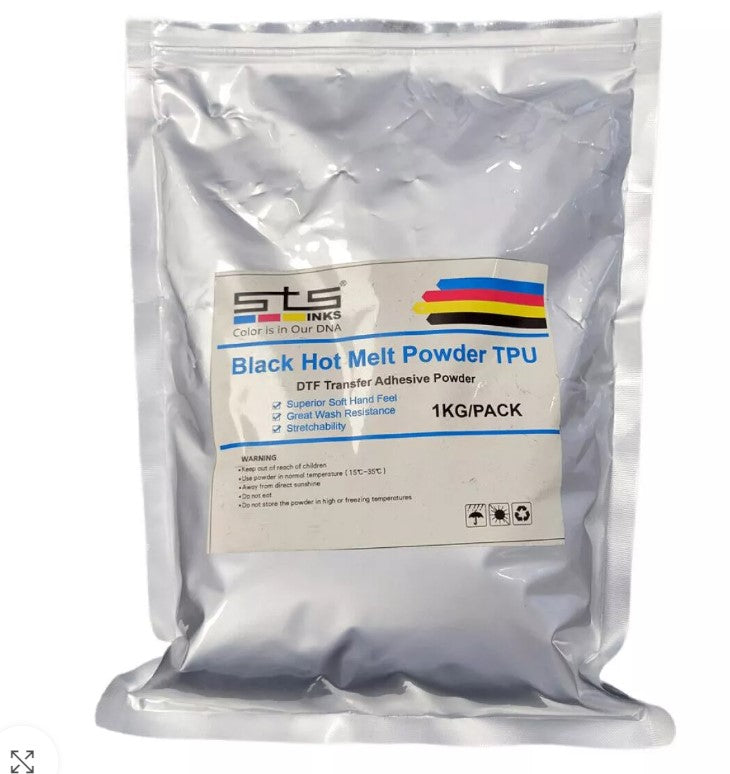
A DTF transfer starts with inks printed onto a coated film in reverse order; a colour layer sits on top of a white underbase. The film is then dusted with DTF Transfer Powder, a finely milled adhesive that sticks to the wet ink. When heated, this powder melts to become a heat‑activated glue that bonds the ink and fabric. Different DTF Inks and powders have unique melting points and dwell times, so always follow the manufacturer’s guidance. Choosing high‑quality powders reduces the risk of uneven melting and results in prints that feel soft, not plastic.
How to know when DTF powder is cured?
Curing is essentially baking the powder until it becomes clear and rubbery. A properly cured adhesive side should take on a satin, “orange peel” finish rather than looking sandy or glassy. When using a hover heat press or oven, watch as the powder shifts from matte white to a slightly glossy, textured surface. You should not see individual powder grains; they melt together to create a continuous film. Starting at a lower temperature and extending the dwell time helps you avoid over‑cooking the powder. Patience and observation are your allies here.

Visual signs and texture cues
One of the easiest ways to judge a cure is by sight and touch. When the adhesive side looks uniform and you can’t see any granules, the powder is likely melted correctly. Press lightly with your finger – it should feel smooth and flexible, not sticky. If the surface is dull or powdery, it needs more time; if it appears overly shiny or yellowed, you’ve gone too far. Aim for that satin “orange peel” texture and you’ll be in the right zone.
What should DTF look like after curing?
When cured properly, the transfer remains pliable and resilient. Pick up the film: it should bend without cracking or flaking. Colours should stay vibrant because the melted powder seals the white underbase. If the ink looks muddy or has pinholes, the adhesive didn’t flow fully and you should adjust your settings. A slight sheen is normal, but an oily feel means the powder melted too fast and the ink’s carrier oils escaped.
Can you over cure a DTF print?
Yes – over‑curing happens when the powder is exposed to excessive heat or time. Instead of bonding better, the adhesive layer becomes brittle and may even lift off the film. A tell‑tale sign is an overly smooth, glass‑like finish and a burnt tint. Over‑cured adhesive loses its ability to penetrate the fabric, which leads to poor adhesion despite the shiny appearance. To avoid this, reduce the temperature slightly or shorten the dwell time, and always monitor the film as it cures.

How long does DTF need to cure?
Typical curing times range from two to five minutes at 150 °C to 170 °C (302 °F to 338 °F). A conveyor oven with a built‑in shaker will deliver the most consistent results. If you’re using a hover heat press or heat plate, keep the heating element about 20 mm above the film to allow the powder to melt evenly. Clamshell presses, which apply direct pressure, are not recommended for curing. For a deeper dive into durability, see How long do DTF prints last?.
Testing methods: stretch and touch
Simple tests help you decide if a transfer is ready to press. A stretch test involves gently pulling the cured film; a properly cured adhesive will stretch without cracking, while under‑cured powder may break apart and over‑cured powder can snap or peel. For the touch test, rub the adhesive side of the film with your fingertips: it should feel smooth and solid, not gritty or sticky. Performing these checks before pressing a shirt will save you from wasting garments.
Troubleshooting: undercuring vs overcuring
Undercured prints look dull or grainy and feel tacky. They may peel during the first washes because the adhesive hasn’t fully melted. Fix under‑curing by raising the temperature slightly or extending the dwell time. Over‑cured prints appear glossy or scorched and are stiff to the touch. They can crack when stretched because the adhesive has hardened beyond its optimal point. Remedy over‑curing by reducing the heat and cutting back on time. Another common mistake is applying too much powder; excess adhesive takes longer to melt and can lead to uneven textures. Always shake off any powder that doesn’t stick to the ink.
Why proper curing matters
Proper curing isn’t just about appearance; it directly affects how well a design holds up over time. Transfers that are cured correctly survive dozens of washes, maintain their vibrant colours and feel soft against the skin. Under‑cured prints may peel or fade quickly, while over‑cured ones feel stiff and can crack. Spending a little extra time mastering the cure process protects your reputation, reduces waste and makes the most of your DTF Inks and other supplies.
Final Tips for Perfect Curing

Consistent curing takes practice, observation and good documentation. Invest in reliable equipment and quality DTF Transfer Powder and DTF Printing supplies. Keep your work area well‑ventilated and free of drafts that might cool the film unevenly. Record your settings – temperature, time, ambient conditions and materials – so you can replicate successful runs and adjust when conditions change. With experience, you’ll be able to glance at a transfer and know whether it’s cured properly.
Summary table of curing outcomes
| Condition | Key visual/texture sign | Likely cause or fix |
|---|---|---|
| Properly cured | Satin “orange peel” surface; slightly glossy; flexible feel | Correct temperature and dwell time; quality powder |
| Undercured | Dull or powdery surface; sticky feel | Increase dwell time or raise temperature |
| Over‑cured | Glass‑like finish; brittle and scorched | Lower temperature; reduce time |
| Excess powder | Clumps or uneven texture | Tap off extra powder before curing |
| Greasy finish | Wet or oily feel; pinholes in ink | Heat too high initially; lower heat and extend time |