Choosing between hot peel, cold peel, and instant peel DTF film comes down to speed, detail, fabric type, and how forgiving you need the process to be. Hot and instant peel films keep production moving quickly, while cold peel films give the transfer more time to cool and set before the carrier is removed.
A useful DTF Film Buying Guide: Hot Peel vs Cold Peel vs Instant Peel also has to look beyond the film itself. Ink, powder, curing, press settings, and maintenance all affect the finished transfer. At DPI Supply, owner Monty Hand has worked in digital ink since 2010 after decades in printing. His experience has shown that cheap supplies are not a bargain when they create reprints or downtime.
DTF Film Buying Guide: Hot Peel vs Cold Peel vs Instant Peel at a Glance
The main difference is when you remove the carrier film after pressing.
| Film Type | When You Peel | Main Advantage | Best Fit |
|---|---|---|---|
| Hot peel | While still hot or warm | Faster production | Everyday apparel and larger runs |
| Cold peel | After fully cooling | Controlled release | Detailed work and challenging garments |
| Instant peel | Immediately or within seconds | Maximum speed | Fast production workflows |
These categories are helpful, but always follow the instructions for the exact film you buy. Coatings and adhesive systems vary, so a shop can get excellent results with any of the three when the full process is compatible.
What Actually Changes When You Switch DTF Film?
DTF film is more than a carrier sheet. Its coating has to accept wet ink, hold adhesive powder correctly, survive curing, release at the right time, and leave the design bonded to the garment.
Two films can behave differently on the same printer. One may feed smoothly and peel cleanly; another may create static, residue, or production slowdowns.
If you are building a complete setup, think of the film as part of a system. DPI Supply carries DTF Printing Supplies for shops that want their core consumables working together instead of relying on an unknown mix.
How Does Hot Peel DTF Film Work?
Hot peel film is removed while the transfer is still hot or very warm. Once the press opens, the operator can start peeling instead of waiting for the garment to cool completely.
The big advantage is speed. On a large shirt order, even a short cooling period adds up. Hot peel can keep the press moving and reduce the amount of table space needed for cooling garments.
The process still needs to be consistent. If pressure, curing, or adhesive coverage is off, peeling quickly may expose those weaknesses.

How Does Cold Peel DTF Film Work?
Cold peel film stays on the garment until the transfer has cooled. The carrier is then removed slowly and evenly.
Cold peel can make sense when controlled release matters more than maximum throughput, especially for detailed designs or textured materials.
The downside is time. A few extra seconds may not matter on ten shirts, but they matter on hundreds. For a walkthrough of the entire process, DPI Supply's How do I print my own DTF? explains printing, powdering, curing, pressing, and peeling.
What Is Instant Peel DTF Film?
Instant peel is designed around production speed. The carrier is removed immediately, or within a few seconds, instead of waiting through a traditional cooling period.
For a busy shop, that can eliminate a bottleneck and keep the press moving.
But “instant” does not mean careless. The film has to be engineered for immediate release, and your press conditions still need to be consistent. If you switch from cold peel to instant peel, run production and wash tests before assuming your previous settings will work unchanged.
Should I Use Hot or Cold Peel for DTF Transfers?
Use hot peel when production speed matters and your press process is already dialed in. Use cold peel when you are comfortable trading some speed for a slower, more deliberate release.
There is no universal winner. A custom shop producing intricate one-off pieces may value cold peel. A business pressing stacks of standard cotton shirts may care more about the faster rhythm of hot or instant peel.
Look beyond the label, too. Ask how the film feeds, how evenly it accepts ink, whether powder releases cleanly from blank areas, how the transfer feels, and how it holds up after washing. Ninja Transfers also has a useful hot peel vs. cold peel DTF film guide for another industry perspective.
Are Jiffy DTF Transfers Cold or Hot Peel?

Jiffy's current standard DTF guidance says its transfers can be peeled hot or cold, although it recommends a warm peel. The company currently advises waiting about 15 to 20 seconds after pressing before removing the carrier, then doing a second press.
That is a good reminder to check current application instructions. Flexible-peel products can behave differently from traditional hot-only or cold-only film.
If you outsource transfers from one company and print your own on another film, keep separate press instructions at the workstation. Treat each product as its own process.
Are Ninja Transfers Cold Peel or Hot Peel?
Ninja's current Ninja Peel film is marketed as a hot-peel product, but the company says it can be peeled hot or cool. Its Easy Peel approach gives operators more flexibility instead of requiring one exact release temperature.
That gives shops a flexible workflow: peel quickly for speed or wait longer when a garment benefits from it.
The larger lesson is simple: “hot peel” now covers a wider range of products than it once did. Always check the current instructions for the exact film or transfer you are using.
What Is the Difference Between Hot Peel and Cold Peel HTV Peeling?
This question often mixes two decoration methods. HTV, or heat transfer vinyl, is cut vinyl that is heat-applied to a garment. DTF uses printed ink, adhesive powder, and transfer film.
Both can have hot-peel, warm-peel, or cold-peel instructions. The term tells you when to remove the carrier after pressing. What changes is the material underneath the carrier and the chemistry creating the bond.
Never assume the peel rule from an HTV roll applies to DTF film, or vice versa. Follow the instructions for the exact material in the press.
Film Matters, but Ink, Powder, and Maintenance Matter Too
A great film cannot rescue poor ink or badly cured powder. Monty has tested enough printing consumables to see how something can look fine at first and create expensive problems later. With DTF, white ink quality and consistency are especially important.
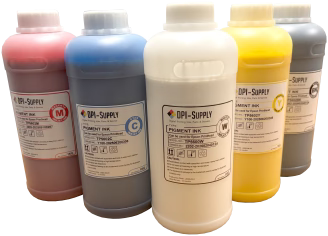
When comparing DTF Ink, Film and Powder, think about total production cost rather than the cheapest container or roll. Wasted garments, clogged components, reprints, labor, and downtime can erase a small upfront savings quickly.
Maintenance matters just as much. Monty and the technicians he works with use a simple rule: “Did you run it? Clean it.” Daily cleaning helps keep overspray and residue from becoming a much more expensive problem.

How Should You Test DTF Film Before Buying in Bulk?
Start with a controlled test. Use the same artwork, shirt type, ink, powder, cure, press temperature, pressure, and time. Change only the film so you can see what the film itself is doing.
Check fine lines, white areas, small text, edges, and large blocks of color. Watch how the film feeds, how powder releases from unprinted areas, and how cleanly the carrier peels.
Then wash the shirts repeatedly and look for lifting, cracking, fading, edge failure, or changes in feel.
That is where dependable Direct-to-Film Printing Products matter. A shop should not have to rebuild its process every time it opens a new roll.
Which DTF Film Should You Buy?
The best film is the one that produces a clean transfer repeatedly without making your workflow harder than it needs to be. Hot peel favors speed. Cold peel favors a slower, controlled release. Instant or flexible-peel film aims to give you speed without locking you into a long cooling period.
Do not choose on peel style alone. Consider feeding, powder behavior, garment compatibility, wash performance, consistency, and the support behind the product. Those factors determine whether a lower-priced roll really lowers your costs.
Monty's experience with alternative inks reinforces the same point: customers stay when a product performs consistently, not simply because it costs less. Apply that same standard when you Shop DTF Supplies. Buy for dependable production first, then compare price.