Direct‑to‑Film printing has taken the creative world by storm. I remember when a customer called us after using the wrong ink on a batch of transfers and couldn’t understand why the designs peeled off in the wash. They had assumed any inkjet cartridge would do. DTF ink is a specialized medium formulated for a very specific process. It isn’t the same as the dye or pigment inks you buy for your household printer, and substituting one for the other usually ends in frustration. This article, written from our perspective at DPI Supply, walks through how DTF printing works, why the ink matters, and how it differs from standard inkjet ink.
Understanding DTF Printing and Traditional Inkjet Printing
The DTF process
Unlike standard paper printing, DTF uses a film‑first workflow. The design is printed onto a clear polyethylene terephthalate (PET) film, then coated with a hot‑melt adhesive powder while the ink is still wet. Once cured under heat, the ink and adhesive form a flexible layer that is heat‑pressed onto fabric. High‑quality DTF ink contains binders and resins that help the pigment sit on top of the film and fabric. A white underbase, made with titanium dioxide, gives colors opacity on dark garments. After curing, the resulting transfer can be stored until you are ready to press it onto a shirt or tote bag.
Standard inkjet printing
Regular inkjet printers are designed to deposit dyes or pigments directly onto paper. These inks soak into the fibers of paper and dry at room temperature. They aren’t formulated to bond with adhesive powders or withstand the high heat of a heat press. Standard inks also lack a white channel, which is why regular printers cannot produce opaque prints on dark fabrics. When heat‑pressed onto textiles, everyday inks fade, smear or wash away because they were never meant to stick to polyester film or fabric.
Composition of DTF Ink vs Regular Ink
At a chemical level, DTF ink and regular ink are nothing alike. DTF ink is water‑based pigment ink composed of finely ground pigments, polymer binders and solvents that control viscosity. These components allow the pigment particles to sit on the surface of the fabric without bleeding, while the binders and resins ensure the ink bonds to the adhesive powder and fabric. The pigments are ground to sub‑micron sizes (often less than 0.5 μm) so they can jet through piezoelectric Epson printheads without clogging. Viscosity is carefully tuned (around 3–6 mPa·s) so the ink flows smoothly but is thick enough to carry the pigment.
By contrast, regular ink refers to the dye‑ or pigment‑based cartridges used in everyday inkjet or laser printers. These inks are designed for paper. They lack binders to adhere to film and adhesives, their pigments are larger, and they cannot handle the high temperatures of a heat press. Most importantly, regular ink does not include a white formulation, so prints on dark shirts appear dull or translucent.
Below is a concise comparison of the two:
| Feature | DTF ink | Regular ink |
|---|---|---|
| Formulation | Water‑based pigment ink with binders, resins and sub‑micron pigments | Dye or pigment inks without adhesive binders, designed to soak into paper |
| Use case | Prints onto PET film, then transfers to fabric with hot‑melt powder | Prints directly onto paper or photo media |
| White ink | Includes titanium‑dioxide white for an opaque underbase on dark garments | No white channel; cannot create opaque prints on dark fabric |
| Adhesion | Bonds to fabric through adhesive powder and heat | No adhesion to fabric; smears or peels when heat pressed |
| Heat resistance | Formulated to withstand 320 °F press temperatures without degradation | Degrades or burns under high heat |
| Wash durability | Creates flexible prints that survive dozens of washes | Fades or washes away because it isn’t bonded to fabric |
| Compatibility | Requires DTF‑ready printers and adhesive powder | Compatible with standard inkjet printers but unusable for transfers |
Can You Use Regular Printer Ink for DTF Transfers?
People sometimes ask if they can run a DTF film through their office printer and use the standard cartridges. The answer is a firm no. DTF transfers depend on specialized ink designed to stick to film and marry with the powder adhesive. Regular ink cannot handle high press temperatures and doesn’t bond with powder. When you try to heat‑press a transfer printed with regular ink, the design smudges, cracks, or peels. Pigment from standard cartridges may also contaminate your DTF printer’s lines and clog the nozzles, leading to expensive repairs.
From my own experience helping customers at DPI Supply, those who attempt to bypass proper DTF ink supplies end up wasting film, powder, and garments. Using the right ink might seem like a bigger upfront investment, but it saves time and produces professional results. If you’re curious about converting a printer for DTF use, check out our guide on the subject, Can you do DTF on a regular printer?.
Is DTF Ink the Same as Inkjet Ink?

At first glance both inks are liquids that go into cartridges, but that’s where the similarity ends. An article from Winnerjet compares the two and notes that DTF inks are formulated to work with heat transfer films and adhesive powder, while regular inks are made for paper. DTF ink remains flexible on fabric and resists cracking. Regular ink, by contrast, is brittle and often cracks when a printed garment is stretched. DTF ink can withstand the high temperatures of a heat press without burning or discoloring, whereas regular ink is likely to degrade or smear. That’s why using the right ink is essential if you want durable, washable transfers.
In addition, DTF printers include a white‑ink channel. Dark shirts require a white underbase so colors can stand out. Regular inkjet printers do not have this capability and cannot print white. Even if you could modify the hardware, the viscosity and particle size of standard ink would clog a DTF printhead. Purpose‑made DTF inks are engineered for piezoelectric printheads with sub‑micron pigments.
Can I Do DTF with an Inkjet Printer?
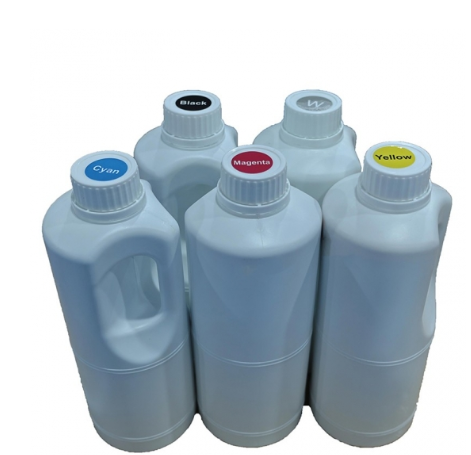
Technically, yes — but only if the printer has been converted for DTF printing and uses appropriate inks. Many DTF printers are modified Epson machines. They retain the piezo printhead but add agitation systems and waste lines for white ink circulation. To convert a printer yourself, you must flush out all regular ink, install new dampers, and replace cartridges with DTF Ink for Epson and Inkjet Printers Failure to remove the old ink can cause chemical reactions and nozzle clogs. We recommend purchasing a dedicated DTF printer or having a professional conversion done.
When printing, the film must be powdered and cured before pressing. Your artwork also needs to be mirrored and printed with a RIP (Raster Image Processor) that generates a white underbase. If you’re curious about the process, our team has walked many customers through the transition. We advise exploring converters only if you’re comfortable maintaining equipment daily and understand the additional costs of film, powder, and ink.
What Are the Disadvantages of DTF Ink?
No printing method is perfect. While DTF ink delivers vibrant, durable prints, it also comes with challenges:
Heavy feel on large prints
A DTF transfer is essentially a thin layer of plastic‑like material. Full‑chest prints can feel heavier and less breathable than screen printing or direct‑to‑garment. Large solid areas may feel stiff. Choosing matte films and using less ink can help soften the hand, but the feel will always differ from discharge printing.
Maintenance and white‑ink clogs
The white ink that makes DTF so versatile is also the maintenance headache. Titanium dioxide pigment tends to settle, and if the printer sits idle, the white channel can clog. Daily agitation or circulation is required. Keeping humidity around 40–60 % and running regular test prints helps prevent clogs.
Consumables and cost
DTF printing involves multiple consumables: ink, film, adhesive powder and often a shaker/oven. These materials add up. Each sheet of film is single‑use, generating waste. Adhesive powders must be handled carefully, and misprints can quickly become costly. Compared with screen printing, the per‑unit cost may be higher for very large runs.
Learning curve and curing
Proper curing is crucial. Under‑curing leads to peeling; over‑curing makes the adhesive brittle. Beginners must learn to recognise the “orange peel” texture that signals a perfect cure. There is also a learning curve in setting RIP software, adjusting ink limits and powder application. Managing humidity and temperature is essential to consistent results.
Environmental considerations
DTF uses less water than traditional screen printing and produces vivid prints with fewer chemicals. However, the process relies on single‑use plastic films and powders that emit fumes when cured. Disposal of used films and powders needs to be managed responsibly. Some manufacturers are exploring recyclable films and eco‑friendly inks, but sustainability is an ongoing challenge.
Why DTF Ink Matters for Professional Results
When customers order custom apparel, they expect vibrant colors that survive many wash cycles. DTF ink excels in this respect. It delivers saturated hues and crisp details on a wide range of fabrics. The white underbase ensures that colors remain vivid on dark garments. Because the ink sits on top of the fabric rather than soaking in, prints remain flexible and retain their brilliance after dozens of washes. For businesses that value reliability and versatility, DTF ink is a key part of their success.
Moreover, DTF printing eliminates the need for fabric pretreatment. You can print transfers in advance and apply them when needed. This flexibility speeds up production and reduces waste. It also allows you to accept small orders with complex designs without the overhead of screen setups.

Switching to DTF Ink: Tips and Best Practices
If you’re ready to transition from hobby printing to professional‑quality transfers, here are a few tips from our team:
- Invest in quality supplies. High‑end films, powders and DTF ink for inkjet printers deliver consistent results and minimise clogs. Cheap inks often contain large pigments that settle and clog printheads.
- Maintain your equipment. Shake the white ink daily and run nozzle checks. Store ink bottles in a cool, dark place. Replace dampers and filters periodically to keep ink flowing smoothly.
- Use the right software. A RIP application is essential for generating a proper white underbase and controlling ink limits. Without it, colors can shift and the transfer may not adhere properly.
- Practice before you press. Start with small designs and experiment with different curing times and powders. Document your settings so you can repeat successful results. Over time, you’ll develop a feel for perfect transfers.
Conclusion
So, is DTF ink the same as regular inkjet ink? Absolutely not. DTF ink is a purpose‑built formula with pigments, binders and resins that make it bond to film and fabric under heat. Regular ink is made for paper; it lacks the flexibility, adhesion and heat resistance needed for textile transfers. While DTF printing involves a learning curve and higher consumable costs, its benefits—durable, vibrant prints on almost any fabric—far outweigh the drawbacks. As someone who has helped countless clients shift from hobby printing to professional garment decoration, I can confidently say that investing in the right DTF printer ink, powder and film opens a world of creative possibilities.